
COSMIC CHILD THERAPY
“Play is the child’s language and toys are the child’s words.”
- Gary Landreth

As a parent, you may feel stuck, frustrated, or confused when something is going on with your child and you don't know what to do. You may have received a diagnosis that left you with more questions than answers, or there's been a difficult event. Maybe you just notice a shift in them that you can't quite explain. Children experience the world deeply and intensely — they may react in ways that feel impossible to reach. Whatever your child is carrying, you've come to the right place.

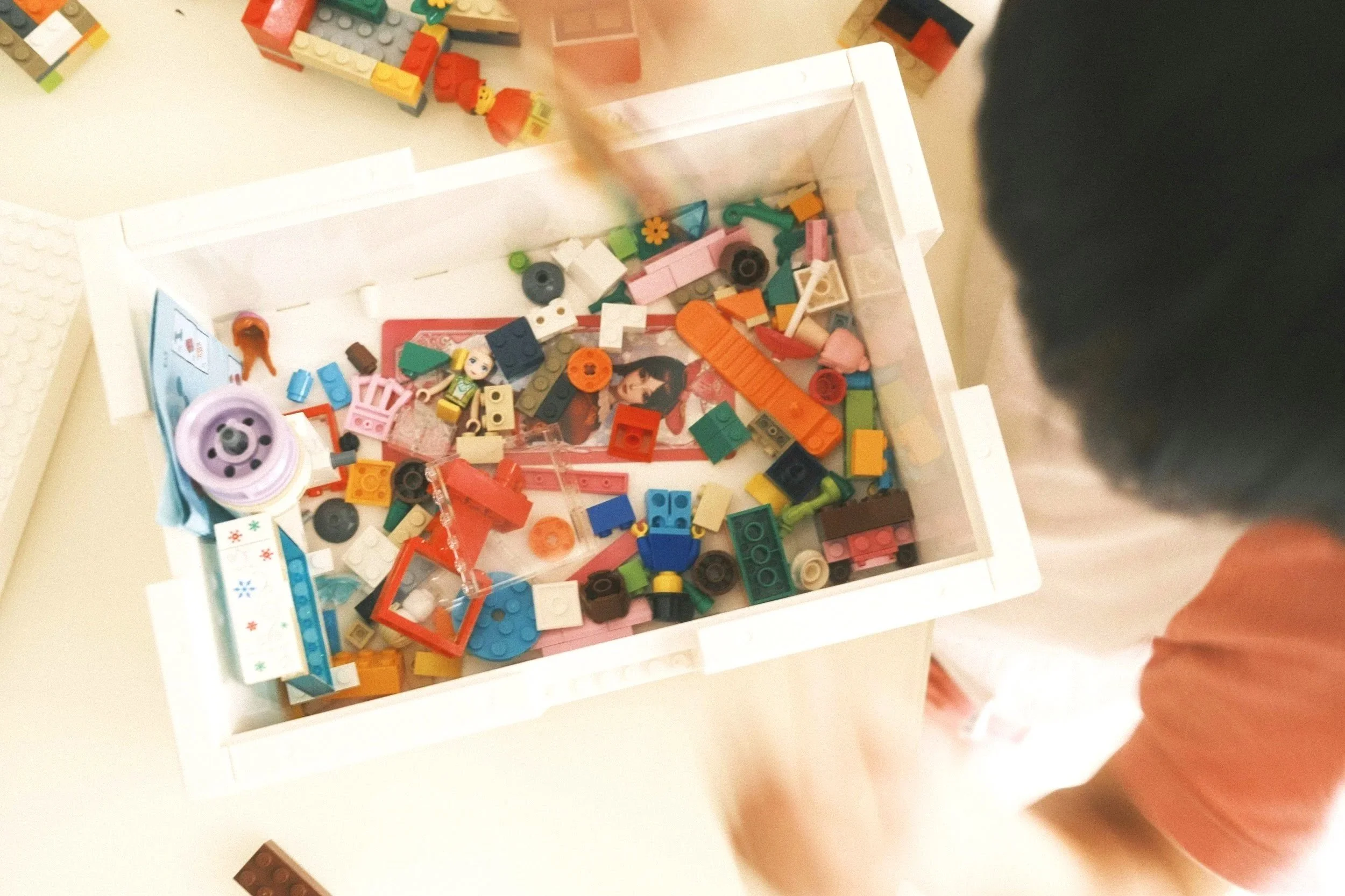
Over the years I've spent working directly with children, I've learned that this work is fundamentally rooted in connection — and in honoring play as a child's most natural language. I draw from a range of modalities, including child-centered play therapy and DIR Floortime, both non-directive, child-led approaches that harness the therapeutic relationship as a vehicle for growth and change. When children have a space to explore their emotional world in ways that feel manageable and safe, they begin to make sense of big feelings, process difficult experiences, and build on their own innate strengths, resilience, and capacity to heal.
Areas of Focus — Is This a Good Fit?
Trauma
Social difficulties
School struggles
Low self-esteem
Children ages 3-11
Anxiety and worry
Big life transitions
Grief and loss
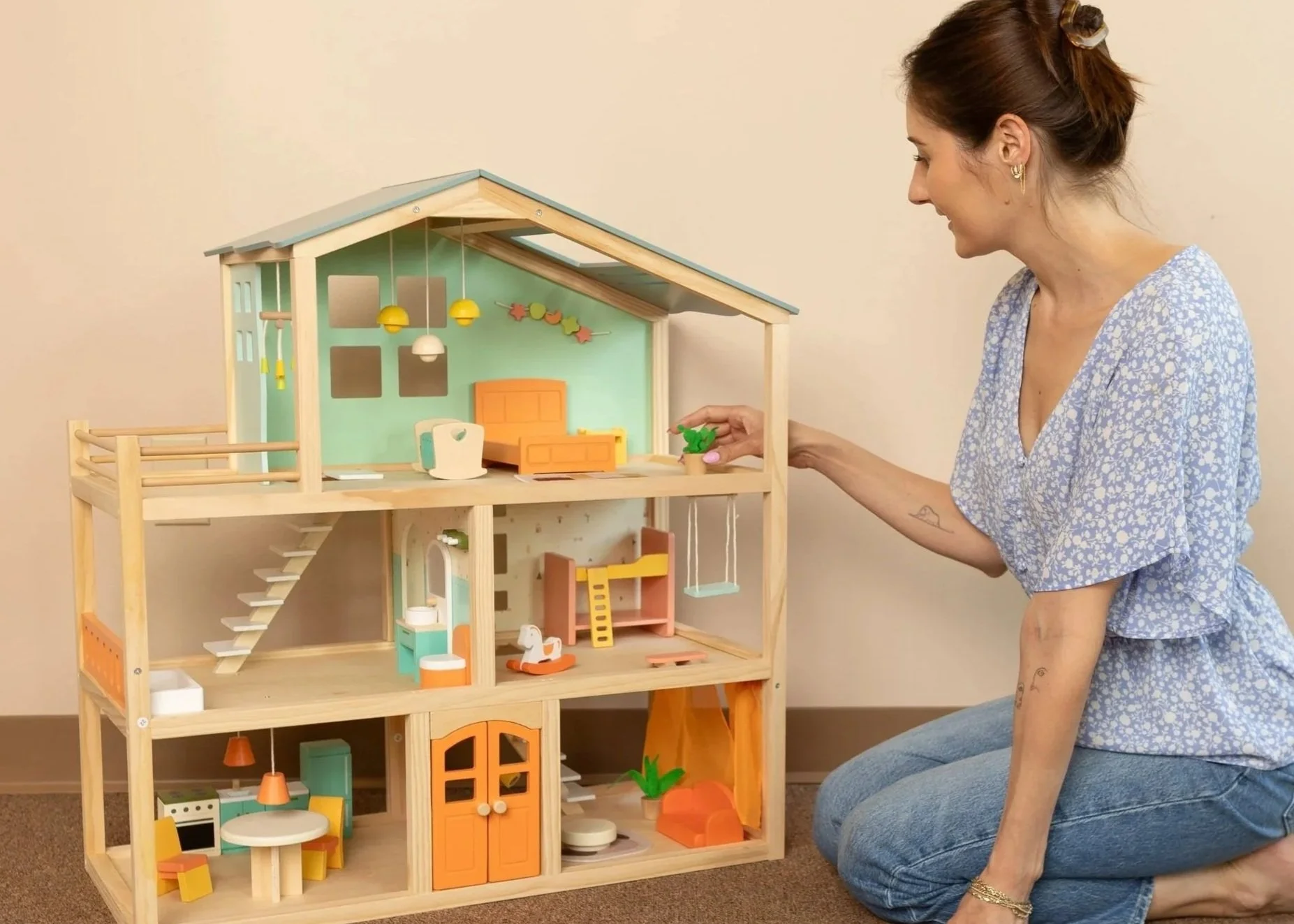
A central part of this work is supporting parents to foster deeper connections with their child and establish a better understand of their child’s unique characteristics. While children engage in therapy sessions independently, parents have the opportunity to receive guidance to better understand and engage with their child along with practical tools to facilitate lasting, positive change. Please see the parent consultation section to learn more about my collaborative process with parents.
WANT TO LEARN MORE?
If you’d like to understand more about the approaches I use and how they work, please see the following:
Stanley Greenspan's Theory and Developmental Stages of Autism and Learning
Play Therapy Principles - Arielle Schwartz, PhD
The Biggest Predictor of Success in Helping Someone Change | Think:Kids